In Belize, agriculture is more than an economic sector. It is a cultural mosaic shaped by tradition, climate, and diversity. From the mechanised sugarcane fields in the west to smallholder farms in indigenous Mayan communities in the south, the country’s agricultural landscape reflects both resilience and complexity.
Now, with the introduction of the CARICOM Regional Monitoring and Reporting System to track agricultural progress across Member States, Belize is better positioned to transform how it collects, analyses, and uses agricultural data, turning information into a powerful tool for decision-making, food security, and climate resilience.
Gregorio Canto, Acting Policy Analyst at the Ministry of Agriculture, Food Security and New Growth Industries in Belize, was among participants at the first training session the CARICOM Secretariat hosted for focal points who will use the platform. The electronic tracking system was approved by the Special Ministerial Task Force on food production and food security against the background of the need for robust monitoring and evaluation frameworks to track targets, assess progress, and enable timely technical and financial support in the agriculture sector.
The platform aims to address the challenge of fragmented national reporting, which hinders effective management of regional initiatives, and cross-country data comparison is addressed, and will standardise indicators, reporting periods, and data structures for harmonised regional data collection. It ensures a clear audit trail, supporting transparency, accountability, and reliable development partner engagement.
Belize’s evolving sector
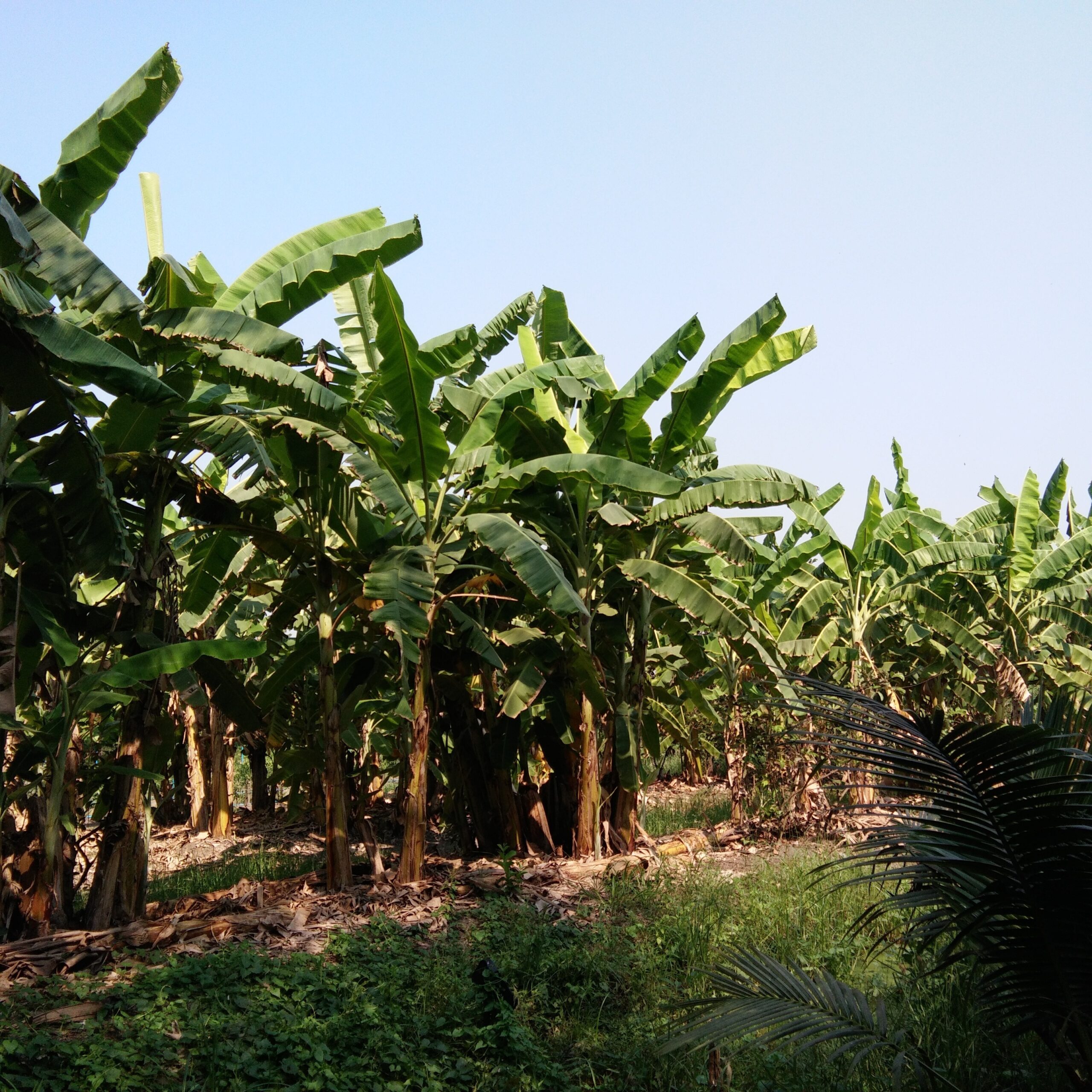
In an interview following the training session early in April, Mr. Canto explained that Belize’s agricultural sector is evolving, with its backbone resting on three traditional export pillars: sugar, citrus, and bananas. These industries remain critical contributors to national income and foreign exchange.
Citrus production, however, has declined, with bananas facing recurring damage from hurricanes and extreme weather. At the same time, new opportunities are emerging. Coconut and soursop production are expanding rapidly, and vegetable farming, particularly onions, is adapting to shifting climate patterns, with growing seasons now extending from a few months to nearly year-round production.
These shifts underscore the importance of data to the agriculture sector in Belize.
The Data Challenge
Despite progress, collecting reliable agricultural data remains a complex task in Belize. Limited internet connectivity in rural areas, language barriers in indigenous communities, and cultural practices among some groups shape how data is gathered.
“So, we have to normally go paper and pen. So, it takes us some time to collect the data because we would have to visit all the fields and manually collect the data,” Mr. Canto notes, describing the need for manual data collection in areas where digital tools are not widely used. These realities introduce risks of data errors and delays, even as the demand for timely, accurate information grows.
In Belize, agricultural data is used to inform national policy, guide market interventions, and prepare for the hurricane season. Twice a year, the government requires updated agricultural reports to support planning at the highest levels, according to Mr. Canto.
This is where the CARICOM Regional Monitoring and Reporting Platform becomes transformative.
By standardising data collection and reporting across countries, the platform strengthens Belize’s ability to make faster, evidence-based decisions; improve disaster preparedness, especially ahead of the hurricane season; track production trends across commodities; and support national food security planning.
Canto highlights the system’s role in improving efficiency and reducing reporting delays, which are critical for a country balancing multiple agricultural risks.
Unlocking Regional Intelligence
For Belize, access to its own data is no longer enough. Farmers and policymakers alike seek information on what is happening across the Community.
“Farmers want to see how production looks in other countries,” Canto explains. “It would be good, he adds, “if we could, through the same platform, easily access data for the entire Region to see what is the global picture looking like. For us, I think that would be important.”
Greater access to regional data could reveal market gaps and export opportunities; prevent oversupply in key commodities; strengthen regional trade coordination; and support smarter investment decisions. For example, better visibility into regional production of commodities like red kidney beans or soybeans could help Belizean farmers align production with demand across CARICOM markets.
As CARICOM advances its food security agenda under the 25 by 2025+5 Initiative, the Regional Monitoring and Reporting Platform is not simply a reporting tool. It is becoming a strategic asset.
By bridging data gaps, improving transparency, and enabling regional collaboration, the platform is helping countries like Belize navigate climate uncertainty, strengthen markets, and build a more resilient agricultural future.
For Canto and his team, the direction is clear:
“We’re moving in the correct direction.”