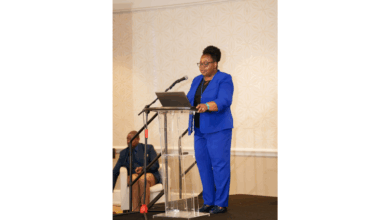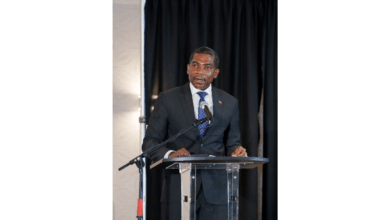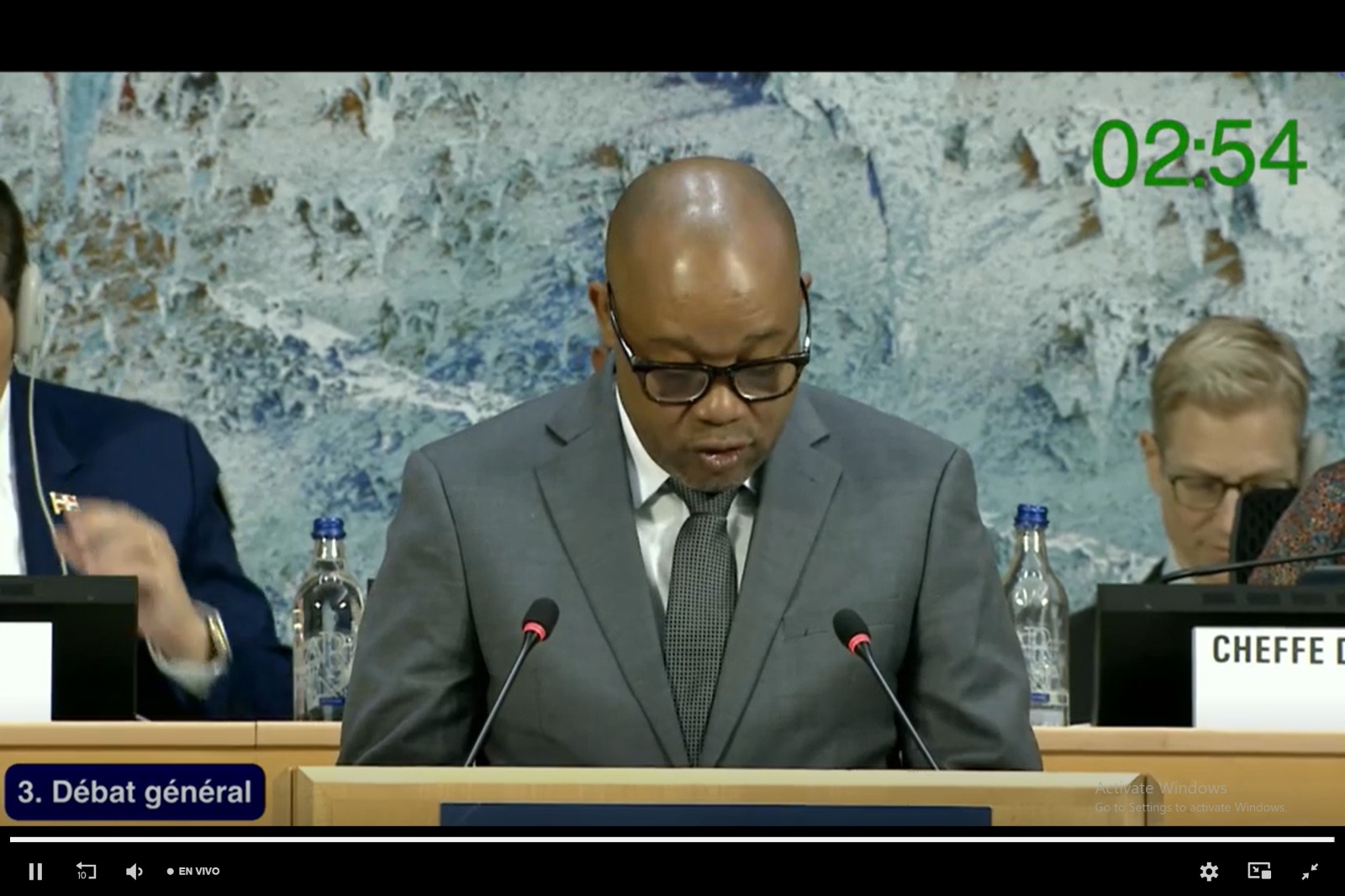
On Monday, 18 May, Haiti’s Minister of Health, Honourable Dr Bertrand Sinal, delivered the regional statement on behalf of CARICOM Member States during the opening plenary of the Seventy-ninth World Health Assembly being held in Geneva, Switzerland.
The statement reads as follows:
I have the honour of delivering this statement on behalf of the Member States of the Caribbean Community (CARICOM).
As Small Island Developing States (SIDS), CARICOM continues to recognise the vital role of the World Health Organisation (WHO) in safeguarding global health and expresses appreciation to the Director-General and staff for their continued leadership and committment. Considering the rapidly shifting geopolitical dynamics and escalating conflicts, CARICOM wishes to emphasise the enduring importance of multilateralism and international cooperation in addressing public health emergencies and pandemics, which do not respect borders.
CARICOM acknowledges the progress made in negotiating the PABS Annex of the Pandemic Agreement, while recognising that important equity-related concerns remain unresolved. We believe that the Global South must continue to strengthen coordination around our shared lived experiences to ensure that this legally binding instrument operates in a fair, equitable, transparent, and sustainable manner. At the same time, CARICOM remains committed to constructive dialogue with all stakeholders to advance practical and workable solutions for operationalising the Agreement.
Recalling that CARICOM’s longstanding leadership in championing action on Non-Communicable Diseases (NCDs), the region remains deeply concerned that progress toward achieving SDG target 3.4 remains slow, and many Member States are not on track to reduce premature mortality from NCDs. CARICOM therefore calls for accelerated implementation of global commitments on NCD prevention and control, supported by sustainable financing and measurable accountability mechanisms.
Our Member States continue to invest significantly in strengthening Human Resources for Health through education and training, retention initiatives, and improved working conditions. However, the workforce gap continues to widen, exacerbated by intensified and sustained outward migration of our health personnel, threatening health system resilience. CARICOM therefore welcomes the report from the Expert Advisory Group on the Global Code of Practice on Recruitment of Health Personnel and supports its recommendations, including consideration of legally binding elements in the text.
Notwithstanding these challenges, CARICOM reaffirms its commitment to working with global and regional partners to sustain global health gains and accelerate progress toward achieving the 2030 Sustainable Development Goals.
Thank you.