“These advances [in the HIV response] place the Region firmly on track to eliminate HIV as a public health threat, in line with commitments made by CARICOM Member States.”
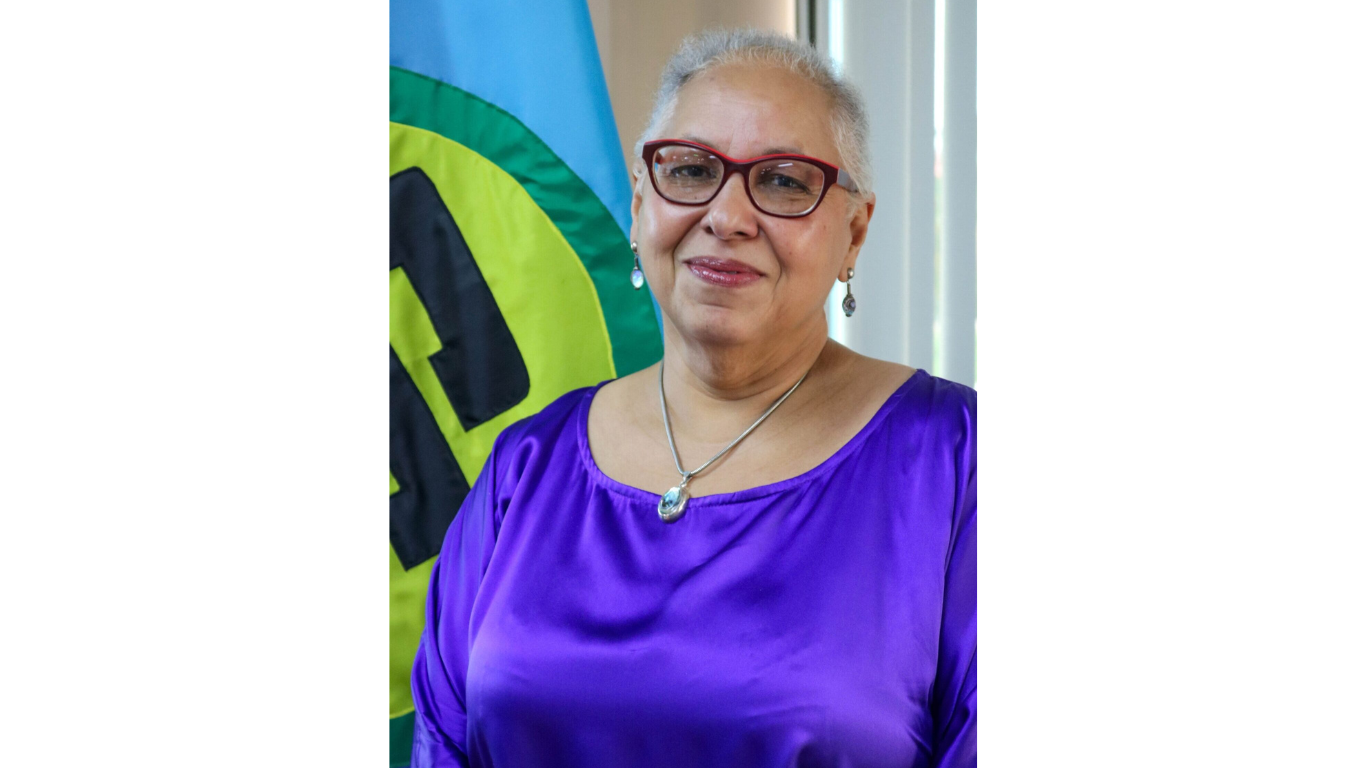
CARICOM Assistant Secretary-General for Human and Social Development, Alison Drayton
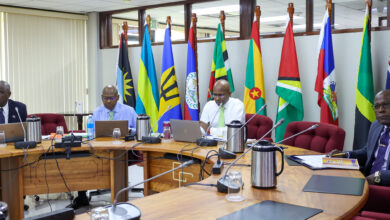
CARICOM Assistant Secretary-General for Human and Social Development, Alison Drayton, delivered remarks at the Opening Ceremony of the Tenth Meeting of National AIDS Programme Managers and Key Partners, convened under the leadership of the Pan Caribbean Partnership against HIV and AIDS (PANCAP).
Ms Drayton acknowledged the Caribbean’s significant progress in the fight against HIV and AIDS. Notably, she indicated that between 2010 and 2024, AIDS-related deaths declined by 62% and new HIV infections fell by 21%. She noted that 85% of people living with HIV now know their status, 74% are on treatment, and 66% have achieved viral suppression. A landmark achievement was the validation of eleven countries and territories for eliminating mother-to-child transmission of HIV and syphilis between 2017 and 2025.
Despite these gains, Ms Drayton cautioned that progress remains fragile. She underscored the importance of sustainability, domestic ownership, and regional coordination. She announced that the Caribbean Regional Strategic Framework for HIV and AIDS 2026–2030 is in its final draft and will be presented for endorsement at the upcoming Special Meeting of the CARICOM Council for Human and Social Development (COHSOD) – Health in April 2026. The Framework outlines strategies to accelerate progress toward global HIV targets, strengthen prevention, and renew public education initiatives.
The Assistant Secretary-General affirmed the CARICOM Secretariat’s commitment to working with Member States, communities, and partners to advance a sustainable and coordinated regional HIV response, and expressed confidence that the meeting would generate practical strategies to further the Caribbean’s progress toward ending AIDS.
Please listen to her complete remarks below:
Ms Alison Drayton, Assistant Secretary-General
Human and Social Development
CARICOM Secretariat
Tenth Meeting of National AIDS Programme Managers and Key Partners
17–19 March 2026
Port of Spain, Trinidad and Tobago
Salutations.
Good morning,
I am pleased to bring greetings on behalf of the CARICOM Secretariat and to join you, though virtually, at this Tenth Meeting of National AIDS Programme Managers and Key Partners, convened under the leadership of the Pan Caribbean Partnership against HIV and AIDS (PANCAP). I also extend my appreciation to the Government of Trinidad and Tobago for hosting this important regional meeting.
Over the past two decades, the Caribbean has achieved major gains in the fight against HIV and AIDS. AIDS-related deaths have fallen sharply, declining by 62% between 2010 and 2024, while new HIV infections dropped by 21%. Access to treatment has expanded significantly: 85% of people living with HIV now know their status, 74% are on treatment, and 66% have achieved viral suppression. These advances place the Region firmly on track to eliminate HIV as a public health threat, in line with commitments made by CARICOM Member States. A landmark achievement came between 2017 and 2025, when eleven countries and territories were validated for eliminating mother-to-child transmission (EMTCT) of HIV and syphilis, an important regional milestone.
Despite these achievements, the gains remain fragile. Nearly 90% of new HIV infections are concentrated in just four countries: Haiti, Jamaica, Suriname, and the Dominican Republic. Young people aged 15–24 account for one quarter of new infections, while key populations represent almost half. At the same time, community-based organisations, which play a vital role in service delivery and outreach, face increasing funding instability.
The Caribbean is also the subregion most reliant on external financing for its HIV response, with more than 66% of resources coming from international donors and an estimated funding gap of US$354 million. This reality underscores the urgent need to strengthen sustainability, expand domestic ownership, and enhance regional coordination.
The Caribbean Regional Strategic Framework for HIV and AIDS 2026–2030 is now in its final draft and has been shared with Member States. The Framework outlines policies and programmes designed to accelerate progress toward the global targets of testing, treatment, and defeating AIDS, commitments already embraced by the Region. These efforts align with strategies to reignite momentum in prevention, redirect resources toward differentiated and comprehensive combination prevention approaches, and renew public education initiatives aimed at reducing new infections.
We look forward to its endorsement at the upcoming Special Meeting of the CARICOM Council for Human and Social Development (COHSOD) – Health in April 2026, where Ministers are expected to provide their full support for the strategic priorities outlined in the framework. This will help ensure that the important work already underway across the Region can continue smoothly.
This meeting therefore provides a timely opportunity to review progress, examine emerging innovations in prevention and treatment, and identify practical strategies to strengthen a sustainable and coordinated Caribbean HIV response.
The CARICOM Secretariat remains committed to working with Member States, People Living with HIV, communities, and partners to advance these efforts.
I wish you productive discussions and look forward to the outcomes of this meeting.
Thank you.