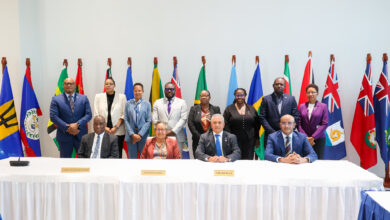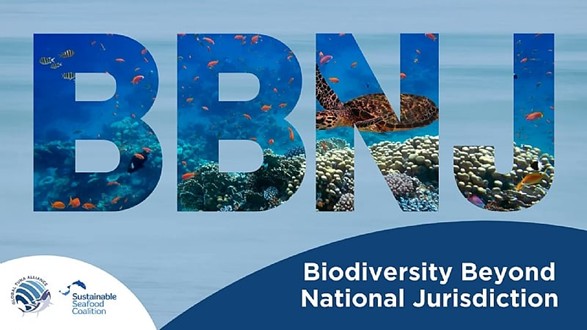
When the third Preparatory Commission (PrepCom) for the Biodiversity Beyond National Jurisdiction (BBNJ) Agreement met from 23 March to 2 April, it marked more than another procedural step in United Nations diplomacy. It signalled a turning point in how the world governs the high seas, also marking a moment of profound consequence for Small Island Developing States (SIDS).
For more than two decades, the international community has debated the management of the two‑thirds of the ocean that lie beyond national borders. These waters have long existed in a vacuum outside structured governance. Overfishing, deep‑sea mining, bioprospecting, and climate‑driven ecosystem collapse have accelerated faster than global rules could keep pace. The adoption of the BBNJ Agreement in June 2023, and its entry into force in January 2026, finally changed that trajectory.
For SIDS, this treaty is not an abstract legal instrument. It is a lifeline.
A Treaty Built for Equity, If the World Delivers
The BBNJ Agreement establishes the first comprehensive global framework for conservation and sustainably using marine biodiversity in areas beyond national jurisdiction. It introduces mandatory environmental impact assessments, creates a Conference of the Parties (COP) to help guide the agreement, and establishes a Clearing‑House Mechanism to share data, research, and capacity‑building opportunities.
Its most transformative element, especially for SIDS, is its system for fair and equitable benefit‑sharing from marine genetic resources. For decades, developing states have watched wealthier nations extract genetic material from the high seas, even areas close to Caribbean states, convert it into pharmaceuticals and biotechnology, and reap profits with no obligation to share benefits or knowledge. The BBNJ Agreement corrects this imbalance.
Yet, the treaty’s promise will only be realised if implementation is robust, well‑funded, and genuinely inclusive.
Why This Moment Matters for the Caribbean
The next few years will determine whether the BBNJ Agreement becomes a historic success or another unrealised promise. For SIDS, the stakes could not be higher.
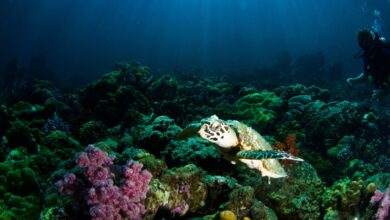
The Caribbean is already experiencing the accelerating impacts of climate change: coral bleaching, declining fish stocks, coastal erosion, and increasingly severe storms affect Caribbean livelihoods every day. High‑seas governance may seem distant from daily realities, but the connection is direct and can be seen. The health of the global ocean affects regional ecosystems, food security, and economic resilience. The ability of SIDS to access marine technology, participate in scientific research, and benefit from emerging ocean‑based industries will shape their development trajectories for decades to come.
A Call to Action
The BBNJ Agreement is a once‑in‑a‑generation opportunity to correct historic inequities in ocean governance. But, treaties do not implement themselves. They require political will, financial investment, and sustained advocacy, especially from states that stand to benefit most.
We must continue to champion strong implementation and push for not only accessible funding, but insist that capacity‑building and technology transfer are not optional add‑ons but core obligations. The international community, for its part, must honour its commitments and recognise that protecting the high seas is not about doing a charity, but it is a shared global responsibility.
A CARICOM Diplomat at the Helm of Global Ocean Governance
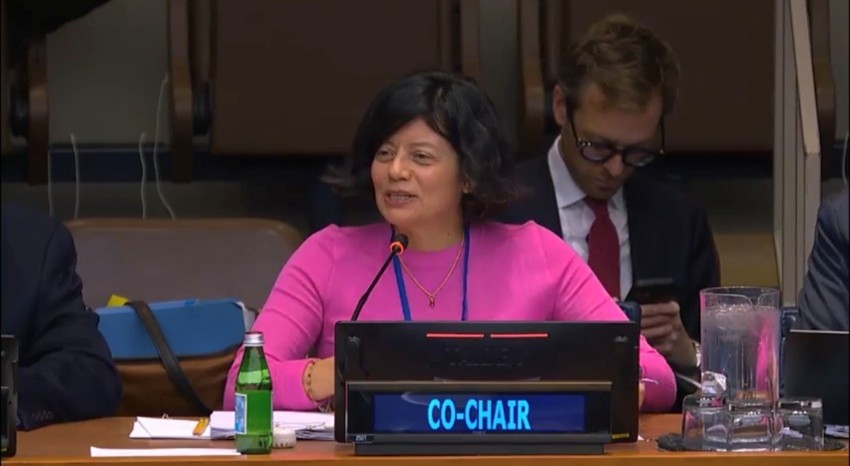
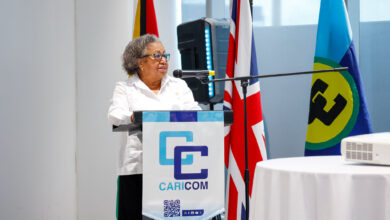
Her Excellency Ambassador Janine Coye-Felson, Permanent Representative of Belize to the United Nations, has helped bring the world to this pivotal moment.
Under her guidance, Member States advanced decisions on the Secretariat; the financial mechanism, including financial rules governing the COP and its Subsidiary Bodies; financial arrangements with the Global Environment Facility; a voluntary trust fund for participation; a special fund for implementation; and even the Clearing‑House Mechanism, institutional backbones of the treaty. But more importantly, she has ensured that the Treaty’s institutions reflect the needs and priorities of those most vulnerable to ocean degradation and dependent on its resources.
The task now is to ensure that the BBNJ Agreement delivers on its promise: a healthier ocean, a fairer system of global governance, and a future where SIDS are not just rule‑takers but continue to define the standard and shape the rules that affect them the most.