(CARICOM Secretariat, Turkeyen, Greater Georgetown, Guyana) – Young people from the Caribbean Community (CARICOM) made strong contributions on issues of regional and global significance when they represented the Community at the Economic and Social Council (ECOSOC) Youth Forum from 14-16 April 2026 at the United Nations Headquarters in New York.
Youth Ambassadors and representatives from CARICOM Member States and Associate Members alongside senior regional officials responsible for youth affairs, participated in intergenerational discussions on development priorities and inclusive decision-making. The dialogues underscored a shared commitment to ensuring that young people are active contributors to regional and global development processes.
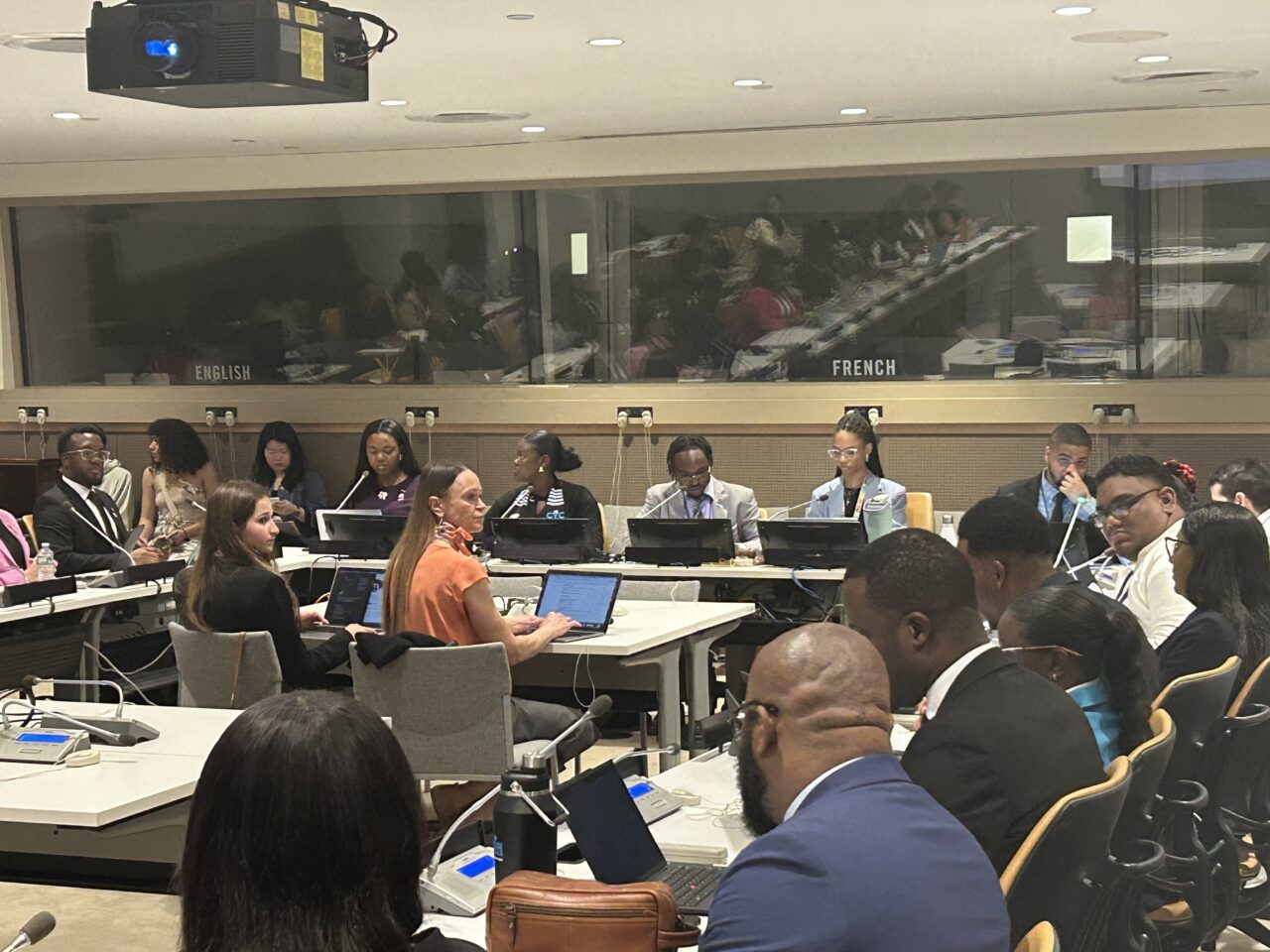
A central highlight of the Forum was a CARICOM-led session, which provided space for youth representatives to examine regional development challenges and priorities through the lens of five Sustainable Development Goals: SDG 6 (Clean Water and Sanitation), SDG 7 (Affordable and Clean Energy), SDG 9 (Industry, Innovation and Infrastructure), SDG 11 (Sustainable Cities and Communities), and SDG 17 (Partnerships for the Goals).
During the session, CARICOM youth highlighted issues specific to Small Island Developing States, including the need for resilient water systems, expanded access to renewable energy, and infrastructure capable of withstanding environmental and economic shocks. Contributions drew on lived experiences and emphasised approaches informed by community knowledge and regional cooperation.
Discussions also focused on meaningful youth participation in policy development. Participants shared practical approaches to strengthening youth councils, institutionalising youth engagement, and integrating youth perspectives into national policy frameworks, reinforcing the importance of structured and sustained inclusion.
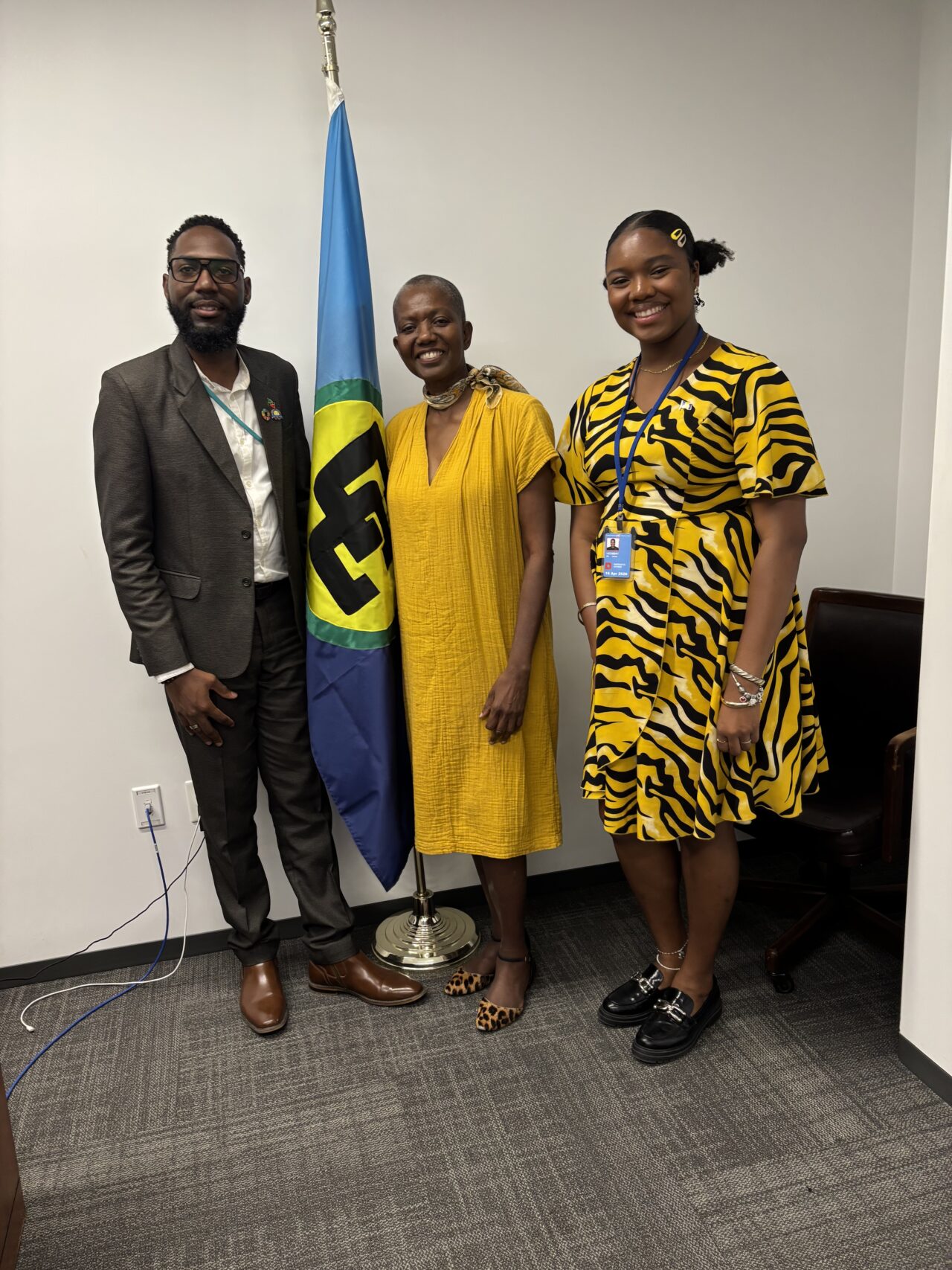
As part of the work programme in New York, the youth representatives visited the CARICOM Permanent Observer Mission to the United Nations for an informal exchange. The engagement provided an opportunity for youth representatives to share their experiences in advocacy, reflect on pathways into public engagement, and compare national mechanisms supporting youth participation across the Region.