
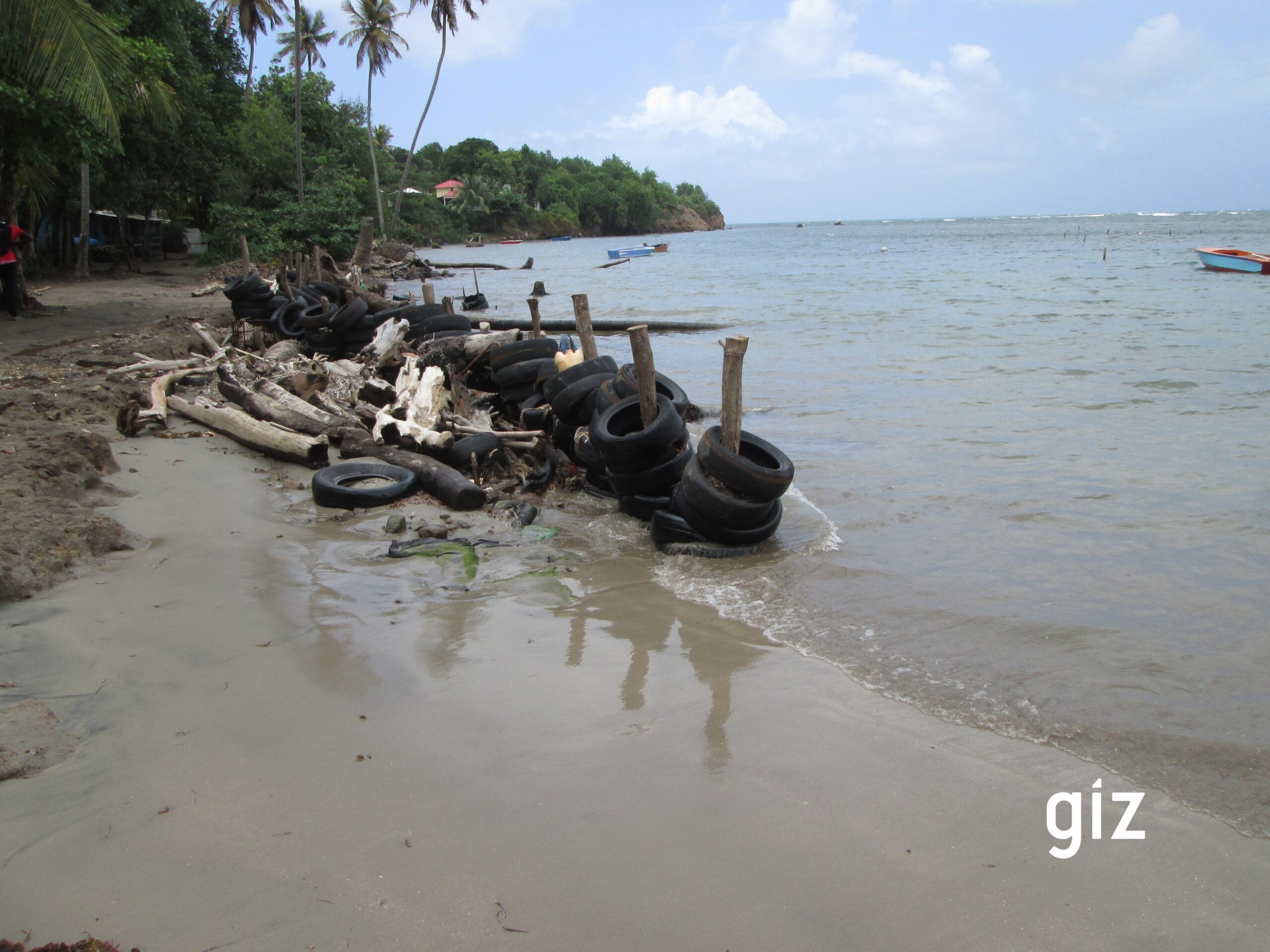
Representatives from executing entities of regional projects (GIZ, CARICOM Secretariat and OECS Commission) are ensuring there is synergy across international development projects implemented in the Caribbean.
During a technical planning meeting held in February alongside international partners including the European Union (EU) and the Food and Agriculture Organization (FAO), delegates examined two key sustainable development initiatives. These are: the Circular Economy Caribbean (CEC) Project and the BioWaste Caribbean project jointly funded by the German Federal Ministry for Economic Cooperation and Development (BMZ) and implemented by the GIZ.
The primary objective was to align project outputs with regional priorities and ensure the EUR 14 million total commission, (4 million EUR CEC, 10 million EUR BioWaste Caribbean) effectively supports the transition from traditional waste management to circular economic models across five Member States (Saint Lucia, Grenada, Dominica, Jamaica, and St. Vincent and the Grenadines).
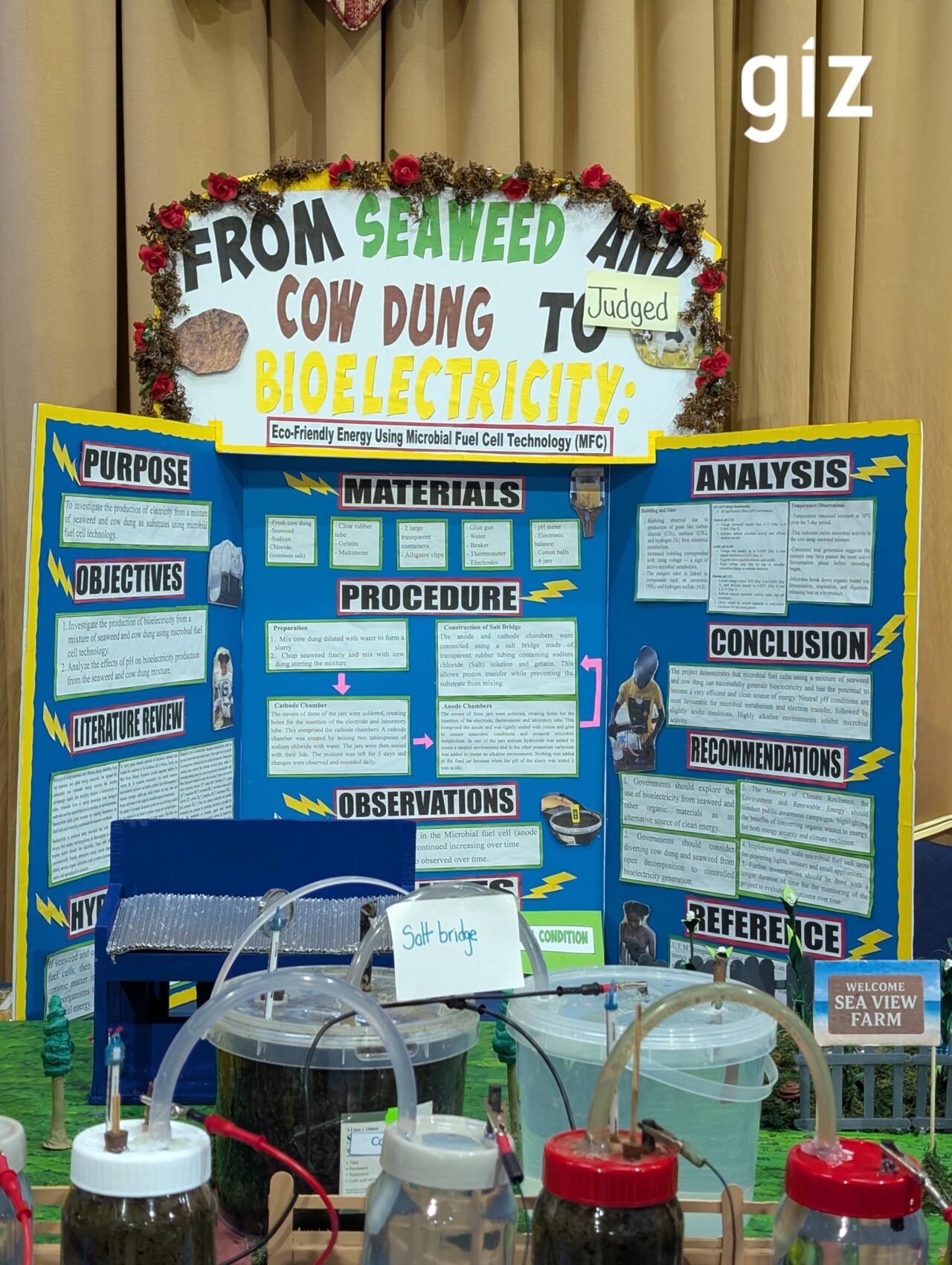
Mr. Enrico Rubertus, Project Manager of the CEC at GIZ, emphasised the importance of this integrated approach.
“True sustainability isn’t found in isolated projects, but in the bridges we build between them,” said Rubertus. “By synchronising the CEC and BioWaste initiatives, we aren’t just managing waste – we are building a resilient, circular economy ecosystem that turns regional challenges into Caribbean opportunities.”
For the GIZ implementing team, innovation happens when regional expertise meets international support. The joint workshop represented a unified roadmap for the OECS and CARICOM, ensuring that the funds invested by the BMZ translate into tangible, long-term prosperity for the citizens of these five nations.
Mr. Clemens Findeisen, Project Manager of the BioWaste Caribbean Project at GIZ, posited: “Organic waste and sargassum should not be treated as a burden but as a resource. By linking Caribbean innovation with German green technology expertise—particularly in biogas and biobased solutions—we are creating new opportunities for sustainable energy, circular business models and investment in public-private partnerships.
Highlighting how the workshop aligns with the broader regional mandate for economic security, Deputy Programme Manager for Sustainable Development at the CARICOM Secretariat, Mr. Kareem Sabir shared, “The Caribbean is not just a collection of islands facing environmental pressure; we are a hub of circular solutions. CARICOM is proud to partner with GIZ and the BMZ to turn the tide on waste and build a sustainable future for every citizen in our Community.”
Participants focused on four core delivery areas to operationalize a unified roadmap for both projects:
- Policy & Regulation: Harmonising regional standards to facilitate green trade.
- Economic Incentives: Developing financial mechanisms to make sustainable
business “good” business. - Demonstration Pilots & Lab Facilities: Testing real-world solutions for organic
waste and Sargassum. - Capacity Building: Training the next generation of Caribbean professionals through
Technical and Vocational Education and Training (TVET).
The event featured diverse perspectives from the technical expertise of the German Biomass Research Institute (DBFZ), the University of the West Indies (UWI), national solid waste authorities, government ministries and other regional Caribbean organisations, who highlighted their needs and proposed actions aligned to the outputs of both projects.
As the region faces increasing environmental pressures, this joint planning effort marks a significant step in the progress toward a collaborative, resilient, waste-free Caribbean. (GIZ Press Release)
About the Projects
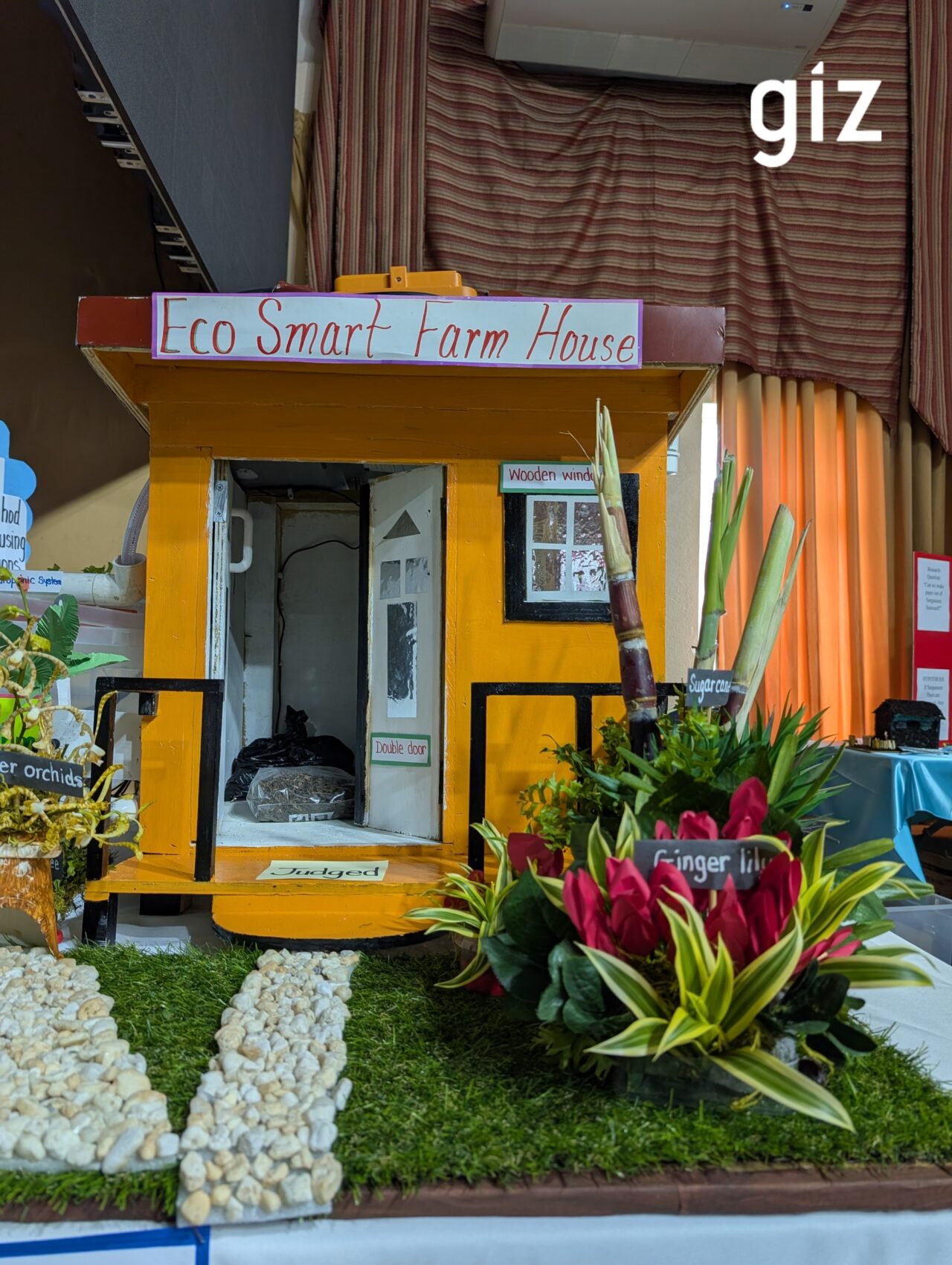
The CEC Project (EUR 4M) and BioWaste Caribbean Project (EUR 10M) are GIZ-implemented initiatives funded by the German Federal Ministry for Economic Cooperation and Development (BMZ). They aim to foster sustainable waste management, promote circular economy business models, and find productive uses for organic waste and sargassum across the Caribbean.
About CARICOM
The Caribbean Community (CARICOM) was established on 4 July 1973 with the signing of the Treaty of Chaguaramas, which was revised in 2001 to allow for the establishment of a single market and economy. CARICOM comprises fifteen Member States and six Associate Members and is home to approximately sixteen million citizens, 60% of whom are under 30 years old. CARICOM’s work rests on four main pillars: economic integration; foreign policy coordination; human and social development; and security cooperation.
The members of CARICOM work together to create a Community that is integrated, inclusive and resilient; driven by knowledge, excellence, innovation and productivity; a Community which is a unified and competitive force in the global arena, where every citizen is secure and has the opportunity to realise his or her potential with guaranteed human rights and social justice, and contributes to, and shares in, its economic, social and cultural prosperity.
CARICOM remains one of the best examples of integration in the developing world.
The CARICOM Secretariat, the principal administrative organ of the Community, is headquartered in Georgetown, Guyana.